


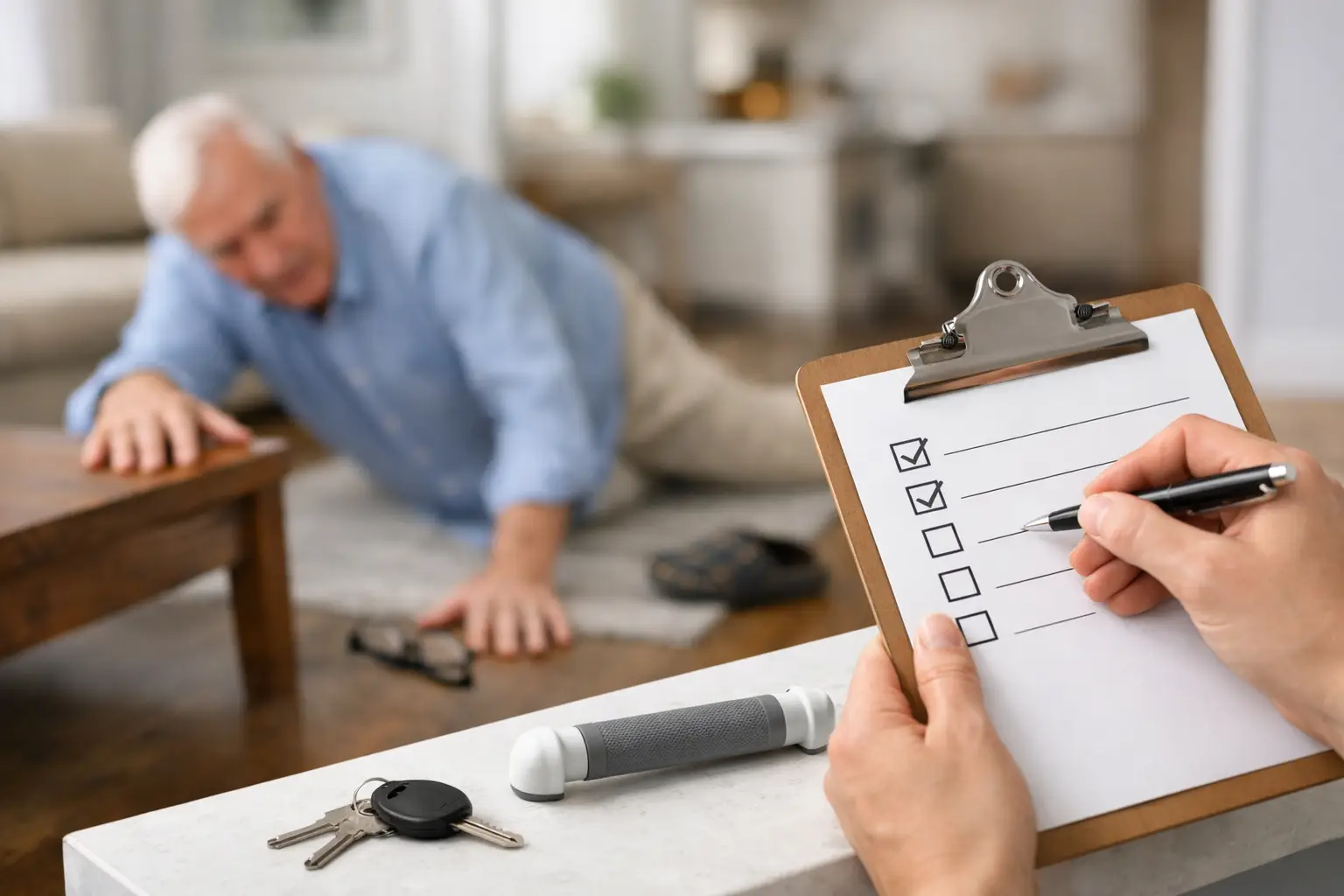
A single missed rug edge, a dark hallway, or a rushed trip to the bathroom at night can change everything for an older adult. A thoughtful fall prevention checklist helps families catch small risks before they become painful injuries, hospital visits, or a loss of confidence at home.
For many seniors, staying at home is not just about comfort. It is about dignity, routine, and the freedom to live in a familiar space. That is why fall prevention matters so much. The goal is not to make a home feel clinical or restrictive. It is to make everyday life safer while protecting independence.
Why a fall prevention checklist matters
Falls rarely happen because of one issue alone. More often, they happen when a few smaller problems overlap – poor lighting, weak balance, clutter, medication side effects, or shoes that do not fit well. A checklist gives families a clear way to look at the whole picture instead of reacting after something goes wrong.
It also helps reduce stress for everyone involved. Adult children often notice risks during a short visit but are not sure where to start. Spouses may see changes day by day and feel overwhelmed. A practical checklist turns concern into action.
That said, every home and every person is different. Someone recovering from surgery may need temporary changes for a few weeks. A person living with dementia may need more supervision and a more predictable layout. Someone with arthritis may move slowly but steadily, while another person may appear strong yet have poor balance. The right plan depends on the person, not just the house.
Fall prevention checklist for each area of the home
Start with the places used most often. Walk through the home at the same pace and height of awareness as your loved one. If possible, do it during both daytime and evening hours, since lighting can feel very different after sunset.
Entryways and hallways
The safest home setup begins before a person even reaches the living room. Entryways should be well lit, easy to navigate, and free from things that need to be stepped over. Shoes, packages, cords, and small tables can all become hazards when someone is carrying a bag or using a walker.
Handrails should feel sturdy, not loose or decorative. If there are steps, the edge of each one should be clearly visible. Hallways should stay open and bright, with enough room for a cane or walker to pass without bumping furniture.
Living room and bedroom
These rooms often seem safe because they feel familiar, but they can hide daily risks. Area rugs that slide, low coffee tables, and cords stretched across walkways are common trouble spots. Chairs and beds should be easy to get in and out of without dropping too low or needing to pull up from an unstable surface.
Bedrooms deserve extra attention because many falls happen when someone gets up tired or disoriented. Keep a lamp within reach of the bed. Make sure the path from the bed to the bathroom is clear. If nighttime bathroom trips are frequent, motion-sensor lighting can help without being disruptive.
Bathroom
Bathrooms are one of the highest-risk areas in any home. Water, hard surfaces, and quick movements create a dangerous combination. A non-slip mat inside and outside the shower can help, but mats need to stay flat and secure.
Grab bars near the toilet and in the shower are often more useful than families expect. Towel bars are not a safe substitute because they are not designed to hold body weight. A shower chair and handheld shower head can also make bathing safer for someone who tires easily or feels unsteady.
Raised toilet seats may help some people, especially after surgery or with limited knee strength. But not everyone prefers them, so comfort and confidence matter here.
Kitchen
The kitchen is full of reaching, turning, bending, and carrying. Frequently used items should be easy to access without a step stool. If a person needs to climb or stretch to reach plates, pantry items, or cookware, the setup needs to change.
Spills should be cleaned right away, and flooring should provide traction even when slightly damp. It also helps to avoid storing heavy items in low cabinets that require deep bending and lifting.
Personal risk factors to review
A home can be well organized and still not fully safe if personal health factors are being missed. Fall prevention works best when environmental changes and personal support go together.
Vision changes are a major factor. If your loved one squints, misses steps, or struggles in dim light, it may be time for an eye exam. Hearing matters too, since balance is closely tied to the inner ear.
Medication side effects can also increase fall risk. Drowsiness, dizziness, low blood pressure, and confusion should never be brushed off as just part of aging. If a new prescription seems to affect steadiness, it is worth discussing with the prescribing provider.
Footwear is another issue families often overlook. Backless slippers, loose shoes, and slick soles can make walking less stable. Shoes should fit securely and provide traction indoors and outdoors.
Then there is strength and mobility. Trouble standing from a chair, holding onto furniture while walking, or avoiding stairs are signs that more support may be needed. In some cases, a cane or walker helps. In others, what helps most is having another person nearby during transfers, bathing, or evening routines.
Habits that help prevent falls
A good fall prevention checklist is not only about what to remove. It is also about building safer routines. People are less likely to fall when they move at a steady pace, use support consistently, and do not try to push through fatigue.
Encourage your loved one to take their time when standing up, especially after sleeping or sitting for a while. Quick position changes can cause lightheadedness. Keeping water nearby and staying hydrated may also help, since dehydration can affect strength and balance.
Regular movement matters. Gentle walking, stretching, and balance-focused exercises can support stability, although what is appropriate depends on the person’s health and mobility level. Rest matters too. Overexertion can make even a familiar room feel less safe.
For seniors with memory loss, routine is especially important. A stable furniture arrangement, consistent lighting, and calm reminders can lower confusion and reduce risky wandering or sudden movements.
When extra help at home makes the difference
There are times when family support alone is not enough to manage fall risk. If a loved one has already fallen, is recovering from surgery, has dementia, or needs help with bathing, dressing, walking, or medication reminders, added in-home support can make daily life much safer.
A trained caregiver can notice subtle changes that families may miss, like increasing weakness, hesitation on stairs, or growing confusion at night. They can also help with practical tasks that reduce fall risk, such as light housekeeping, meal preparation, transportation, and supervision during personal care routines.
For many families, this kind of help is not about taking away independence. It is about protecting it. With the right support, a senior may be able to remain at home longer and with more confidence. That peace of mind matters.
At Delora Care, we understand how personal these decisions can be. Families want safety, but they also want warmth, respect, and dependable care from people they can trust.
A simple way to use this checklist
Do not try to fix everything in one afternoon. Start with the highest-risk spaces, usually the bathroom, bedroom, and main walking paths. Then look at physical factors like footwear, vision, and medication changes.
After that, pay attention to patterns. Is your loved one more unsteady in the morning? After bathing? When carrying laundry? Those details point to the kind of support that will actually help.
A safer home is rarely created by one big change. It usually comes from many thoughtful adjustments made with care. When you take the time to notice what makes daily life harder, you also begin to see what can make it feel steadier, calmer, and more secure.
