


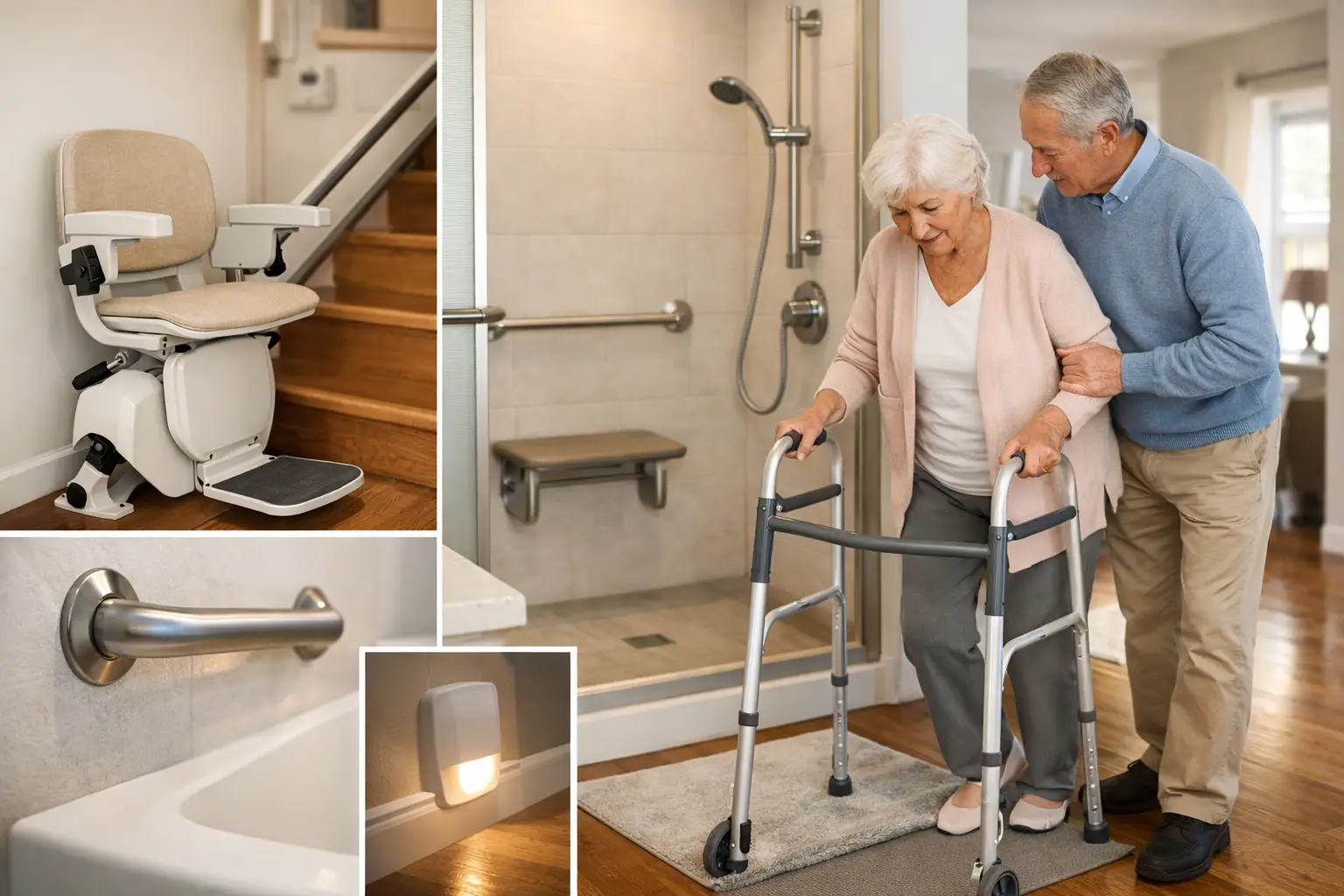
A loose rug at the end of a hallway or a dim stairwell may seem minor, until it becomes the reason a loved one falls. The best home upgrades for senior safety are not about making a home look clinical. They are thoughtful changes that make everyday routines easier, protect independence, and help families feel more confident that their loved one can remain in the place they know best.
The right priorities depend on the person and the home. Someone recovering from surgery may need temporary support around the bathroom and bedroom, while a person living with arthritis, balance changes, or memory loss may benefit from broader adjustments. Start with the spaces your loved one uses most often, then make improvements that solve real daily challenges.
Best Home Upgrades for Senior Safety Start With Fall Prevention
Falls are one of the biggest threats to safe, independent living. A fall can change a person’s mobility and confidence quickly, so the most valuable upgrades often make walking, standing, and transferring from one position to another more secure.
Improve lighting in every high-traffic area
Aging eyes need more light to see changes in flooring, steps, and objects left in a walkway. Add bright, even lighting to hallways, stairways, entrances, bedrooms, and bathrooms. Motion-sensor lights are especially helpful for nighttime trips to the restroom because they turn on automatically without requiring someone to find a switch in the dark.
Place bedside lamps within easy reach, and consider light switches that are easy to see and operate. Outdoor lighting matters, too. A well-lit path from the driveway to the front door can reduce risk during early mornings, evenings, and rainy Tennessee weather.
Make floors easier and safer to navigate
Remove loose throw rugs, or secure them with non-slip backing if they must stay. Clear walkways of cords, small furniture, pet toys, and decorative items that can become tripping hazards. This is a simple change, but it can make a meaningful difference every day.
Pay attention to transitions between rooms. Raised thresholds, curled carpet edges, and uneven flooring can catch a foot or walker. Repairing these areas or adding smooth transition strips is often more useful than a major remodel. If your loved one uses a cane, walker, or wheelchair, make sure there is enough clear space to move comfortably through the home.
Add sturdy handrails where support is needed
Handrails on both sides of a staircase provide far more stability than a single rail. They should be secure, easy to grip, and extend the full length of the stairs. A grab bar near a step down into a garage, sunken living room, or exterior entry may also help.
Grab bars are different from towel bars. They are designed to bear weight and must be professionally anchored into wall studs or installed with an approved mounting system. This is not the place to rely on a temporary suction device for daily support.
Make the Bathroom Safer Without Sacrificing Dignity
Bathrooms combine wet floors, hard surfaces, and frequent transfers from standing to sitting. For many families, this is the first room to address.
Install grab bars near the toilet and inside the shower or tub area. A raised toilet seat can make sitting and standing less strenuous for someone with joint pain, weakness, or limited mobility. A shower chair and handheld showerhead allow a person to bathe while seated, which can reduce fatigue and lower the chance of slipping.
A curbless shower is a larger investment, but it can be an excellent long-term upgrade for a person who uses a walker or wheelchair. If a remodel is not practical, a transfer bench may make it safer to enter and exit an existing tub. Non-slip flooring or securely placed non-slip mats are also worthwhile, but they should lie flat and never create a new trip hazard.
Privacy matters here. Safety upgrades should help a loved one continue personal routines with as much comfort and independence as possible, not make them feel watched or limited.
Create a Safer Bedroom and Easier Nighttime Routine
The bedroom should support restful sleep and safe movement when a loved one wakes up. Make sure the bed is at a height that allows both feet to rest flat on the floor when seated at the edge. A bed that is too low makes standing difficult, while one that is too high can make getting in and out feel unsteady.
Keep a clear path from the bed to the bathroom. Add motion-activated nightlights, a bedside phone, and a stable nightstand for glasses, medications, water, and other essentials. If dizziness, weakness, or nighttime confusion is a concern, a bedside commode may be appropriate for a period of recovery or ongoing support.
Bed rails require care. Some styles can create an entrapment risk, particularly for people with dementia or limited awareness. Before adding one, talk with a qualified health professional about whether it is suitable for your loved one’s needs.
Upgrade the Kitchen for Everyday Independence
A safe kitchen helps seniors continue preparing familiar meals, participating in household routines, and maintaining a sense of control. Start by moving frequently used dishes, cookware, and pantry items to waist-level shelves. Reaching overhead or bending low while holding something heavy raises the risk of losing balance.
Choose appliances with easy-to-read controls and good lighting over the stove and counters. Lever-style faucet handles can be easier for hands affected by arthritis. An anti-scald device or a water heater temperature setting that prevents overly hot water can protect against burns.
For someone with memory changes, the kitchen may need additional safeguards. Automatic shutoff devices for stoves, clear labels on cabinets, and a consistent place for everyday items can reduce confusion. These upgrades work best alongside compassionate supervision when cooking is no longer safe to manage alone.
Do Not Forget Entries, Steps, and Outdoor Spaces
A home can be safe inside yet still present risks at the front door, driveway, or porch. Check that steps are even, handrails are secure, and surfaces have good traction. Repair cracked walkways and remove leaves, moss, or other debris that becomes slippery after rain.
A ramp may be the right solution for a wheelchair user or for someone who struggles with stairs. However, ramps need the correct slope, handrails, landing space, and weather-resistant surface. A poorly designed ramp can be more dangerous than the steps it replaces, so professional installation is worth considering.
Make house numbers visible for emergency responders. A keyless entry system or lockbox can also help trusted family members and caregivers enter quickly if a loved one cannot get to the door.
Add Technology That Supports, Rather Than Replaces, Care
Helpful technology can offer reassurance, but it is most effective when it matches a person’s abilities and routines. A wearable emergency alert button can connect a senior to help after a fall, especially when they spend time alone. Smoke detectors, carbon monoxide alarms, video doorbells, and medication reminder devices can also add protection.
For a loved one with dementia, door alarms or discreet sensors may alert family members when someone opens an exterior door. These tools should be chosen respectfully and explained whenever possible. Safety should preserve dignity, not create a feeling of surveillance.
Technology cannot replace a caring person who notices changes in appetite, mobility, mood, or confusion. Regular companionship and hands-on support can be just as essential as a grab bar or alert device, particularly after a hospitalization, fall, or change in diagnosis.
Know When Home Upgrades Need Added Support
Even a well-prepared home has limits. If your loved one is falling frequently, forgetting how to use safety equipment, wandering, skipping meals, or struggling with bathing and transfers, it may be time to add dependable in-home help.
A caregiver can assist with light housekeeping, meal preparation, hygiene routines, transportation, medication reminders, and safe movement through the home. At Delora Care, heart-centered caregivers can provide the practical support and steady presence families need while their loved one continues living at home.
Start with one room, one routine, or one risk that worries you most. A safer home is built through small, caring decisions that let your loved one move through each day with more confidence and comfort.
