


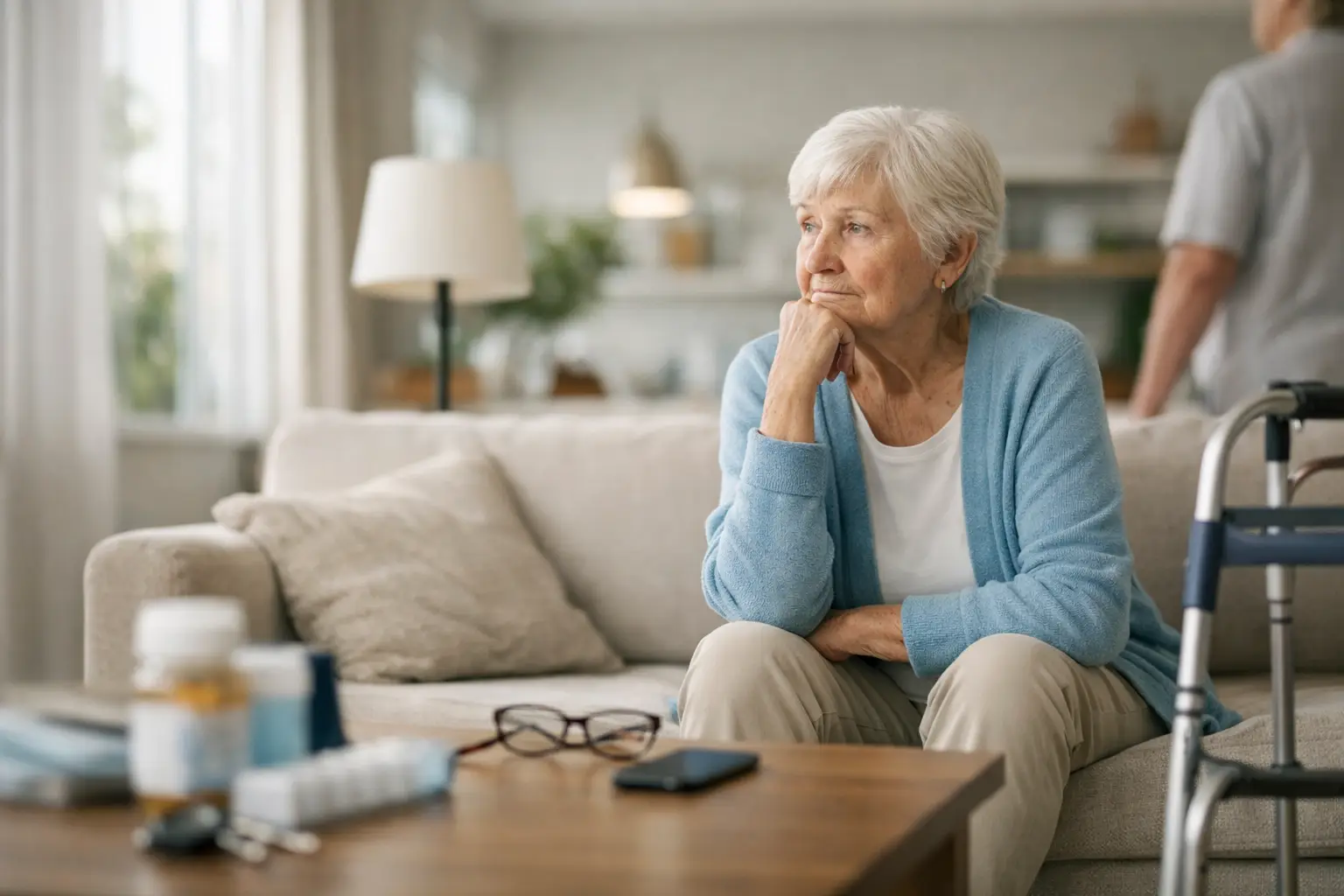
A parent may insist they are fine at home, while you notice the unopened mail, a scorched pan, or a growing list of worried calls. The question, can seniors stay home alone, rarely has a simple yes-or-no answer. It is about whether a person can live independently with dignity while having the right support for the risks they face.
For many older adults, home is more than an address. It is a place filled with routines, neighbors, memories, and a sense of control. Remaining there can be a wonderful option when safety, health, and day-to-day needs are thoughtfully considered. The goal is not to take independence away. It is to protect it with care, planning, and from-the-heart support.
Can Seniors Stay Home Alone Safely?
Some seniors can live alone very safely. Others may need a few hours of help each week, daily check-ins, or more consistent supervision. Age alone does not determine the answer. A healthy, organized 88-year-old with a reliable support network may be safer at home alone than a younger person whose memory loss, balance issues, or medication challenges are going unaddressed.
The best question is not, “Should Mom still be alone?” Instead, ask, “What does she need to be safe, comfortable, connected, and confident at home?” That shift makes room for practical solutions that honor her preferences.
A senior who lives alone should generally be able to respond to an emergency, manage essential routines, communicate their needs, and move around the home without frequent danger. They should also have enough social contact to avoid becoming isolated. A home can be familiar and comforting, but familiarity does not prevent falls, confusion, or loneliness.
Signs It May Be Time for More Support
Families often recognize changes gradually. One missed appointment may be a simple mistake. A repeated pattern of missed appointments, unpaid bills, poor hygiene, or medication errors deserves closer attention. Trust your observations, especially when something feels different from your loved one’s usual habits.
Physical changes can be one concern. Frequent falls, bruises with no clear explanation, difficulty getting out of bed, weakness after surgery, or trouble using the stairs can make solo living risky. Look at the home itself as well. Loose rugs, poor lighting, cluttered walkways, and a bathroom without grab bars can turn a small mobility problem into a serious injury.
Memory and judgment changes require special care. A person with Alzheimer’s disease or another form of dementia may forget to eat, leave the stove on, wander outside, or become confused about who is at the door. Early memory loss does not automatically mean someone must leave home. It does mean the family should build more structure around the person’s day and reassess often as needs change.
Pay attention to daily living tasks. Is your loved one eating regular meals? Wearing clean clothing? Keeping up with bathing? Taking medications as prescribed? Getting to medical appointments and the grocery store? When these tasks begin to slip, it may be a sign that independent living needs support, not that your loved one has failed.
Emotional well-being matters, too. Seniors who are alone for long periods may become withdrawn, anxious, or depressed. They may stop participating in hobbies and conversations they once enjoyed. Companionship is not an extra. Meaningful human connection can help a person feel more secure, engaged, and motivated to maintain healthy routines.
Start With an Honest Home Safety Check
Before making a major decision, take a clear look at an ordinary week. Visit at different times of day if possible. Notice how your loved one gets up, prepares food, manages the bathroom, answers the phone, and moves through the house. Ask open, respectful questions rather than testing or criticizing them.
Consider whether they have a dependable plan for an emergency. Can they reach a phone easily? Do they know whom to call? Is their address clearly visible for first responders? Are emergency contacts current and available? A medical alert device may be helpful for some people, but it cannot prepare meals, notice a change in behavior, or provide reassurance after a difficult day.
A few home updates can lower risk considerably. Better lighting, grab bars, non-slip bathroom surfaces, clear pathways, and a chair in the shower can make daily routines easier. Keeping commonly used items within reach may reduce climbing and bending. These changes work best when they are paired with realistic support for the senior’s health and abilities.
Match Care to the Need, Not to Fear
Families sometimes think the only options are leaving a loved one completely alone or moving them into a facility. There is often a more flexible middle ground. Non-medical in-home care can be arranged around the person’s routines and needs, from occasional companionship to more frequent hands-on assistance.
For a senior who is mostly independent but isolated, a caregiver can provide conversation, shared activities, meal preparation, transportation, and a reassuring check-in. For someone recovering from surgery or an accident, help with hygiene, mobility support, light housekeeping, and medication reminders can reduce strain during a vulnerable time.
When memory changes are present, consistency becomes especially valuable. Familiar caregivers can help maintain routines, encourage meals and hydration, provide calm redirection, and offer families a clearer picture of how their loved one is doing each day. For higher-acuity needs, extended care with two caregivers on 12-hour shifts may provide the close support a family needs to keep a loved one safer at home.
Care does not have to begin only after a crisis. Starting with a few scheduled visits can help a senior become comfortable with assistance before needs become urgent. It also gives family members room to be daughters, sons, spouses, and grandchildren again, instead of carrying every responsibility alone.
How to Talk About Help Without Taking Away Dignity
Conversations about care can be emotional. Your loved one may fear losing privacy, independence, or control over their own home. They may also feel embarrassed about needing help. Lead with respect and listen carefully to what matters most to them.
Choose a calm moment, not the middle of an argument or after an emergency. Be specific about what you have noticed: “I worry when you have to carry laundry down the stairs” is often better received than “You can’t live alone anymore.” Connect support to a goal they value, such as staying in their own home, continuing to attend church, or having the energy to visit friends.
Whenever possible, give choices. Your loved one may be more open to help if they can decide which days a caregiver visits, what meals they enjoy, or which errands they would like assistance with. Independence is not doing every task without help. It is having a voice in how life is lived.
Create a Family Plan That Can Change
A good plan includes more than a caregiver schedule. Keep a current list of medications, physicians, allergies, emergency contacts, and preferred hospital information in an easy-to-find place. Decide who will check in, how often, and what changes should prompt a call to the family or healthcare provider.
It also helps to discuss finances, transportation, and backup plans before there is an urgent need. If a regular family caregiver becomes sick or travels, who can step in? If your loved one has a fall, what support can begin quickly? Clear answers reduce stress and prevent decisions from being made in panic.
Revisit the plan regularly. A senior’s abilities can improve after recovery, stay stable for years, or change quickly after an illness. What works this month may need adjustment six months from now. Flexibility is a form of good care.
When Living Alone Is No Longer the Safest Choice
There are times when added visits are not enough. Repeated wandering, unsafe use of appliances, serious medication mistakes, frequent falls, inability to call for help, or escalating confusion may mean a senior should not be without supervision. This can be a painful realization, but it is not a betrayal of their wishes. It is an act of love rooted in safety.
The right level of care may still allow your loved one to remain at home. Delora Care offers compassionate, dependable non-medical support designed around each family’s situation, including companionship, personal care, memory support, recovery assistance, and extended care when needs are greater.
Your loved one does not have to prove they can manage every moment alone to deserve the comfort of home. With honest conversations, a thoughtful safety plan, and caring people nearby, home can remain a place where independence is respected and support is always within reach.
