
For years, Mom and Dad have been a team. Maybe one handles the cooking while the other takes care of the yard. They’ve figured out their routines, divided up the chores, and built a life that works for them.
But what happens when they both start needing a little extra help?
Maybe Dad’s having trouble getting around, and Mom’s finding it harder to keep up with the house. Or perhaps one parent has been quietly picking up the slack for the other, and now they’re both feeling a little overwhelmed.
It’s a tricky situation, especially when you’re trying to figure out how to help without making either parent feel like they’re losing their independence.
The good news is that care for elderly couples doesn’t have to mean changing everything. Sometimes, a little extra support is all it takes to help them keep enjoying life together.
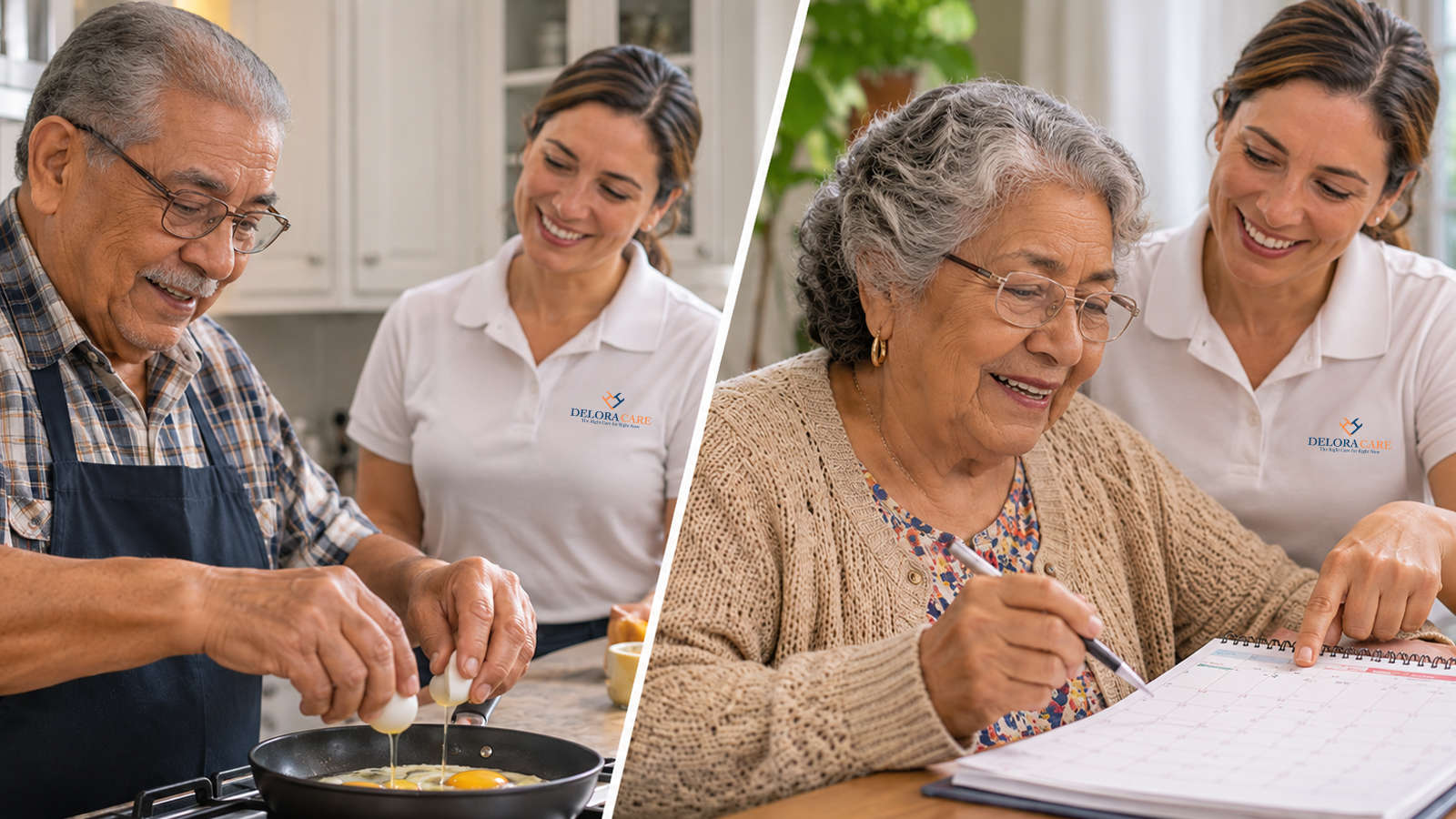
Two Parents, Two Different Sets of Needs
When your parents have been together for decades, it’s easy to think of them as a package deal. But just because they share a home doesn’t mean they need the same kind of help.
Dad might still be perfectly happy making breakfast but need assistance getting around. Mom might be great on her feet but appreciate help keeping track of appointments or managing household chores.
Before making any decisions, spend some time talking with each parent about what their days look like.
Are there tasks they’ve started avoiding because they’re difficult? Would a little help with meals or laundry make things easier? Are they getting enough opportunities to socialize and enjoy their favourite activities?
The National Institute on Aging’s guide to aging in place offers helpful information about making everyday life at home more manageable.
When One Parent Has Been Doing All the Heavy Lifting
Here’s something families don’t always notice right away: one parent may already be doing a lot more than they used to.
Maybe Mom has always managed the household, but now she’s also helping Dad get dressed and keeping track of his appointments. Or Dad has taken over the cooking, cleaning, and shopping while making sure Mom has everything she needs.
They might not mention how tiring it’s become. After all, they’ve spent years looking after each other.
But even the most devoted spouse could use a hand now and then.
Arranging care for elderly couples can take some of those everyday responsibilities off their plates. A caregiver might help with meals, personal care, or household tasks so Mom and Dad have more time to simply enjoy being together.
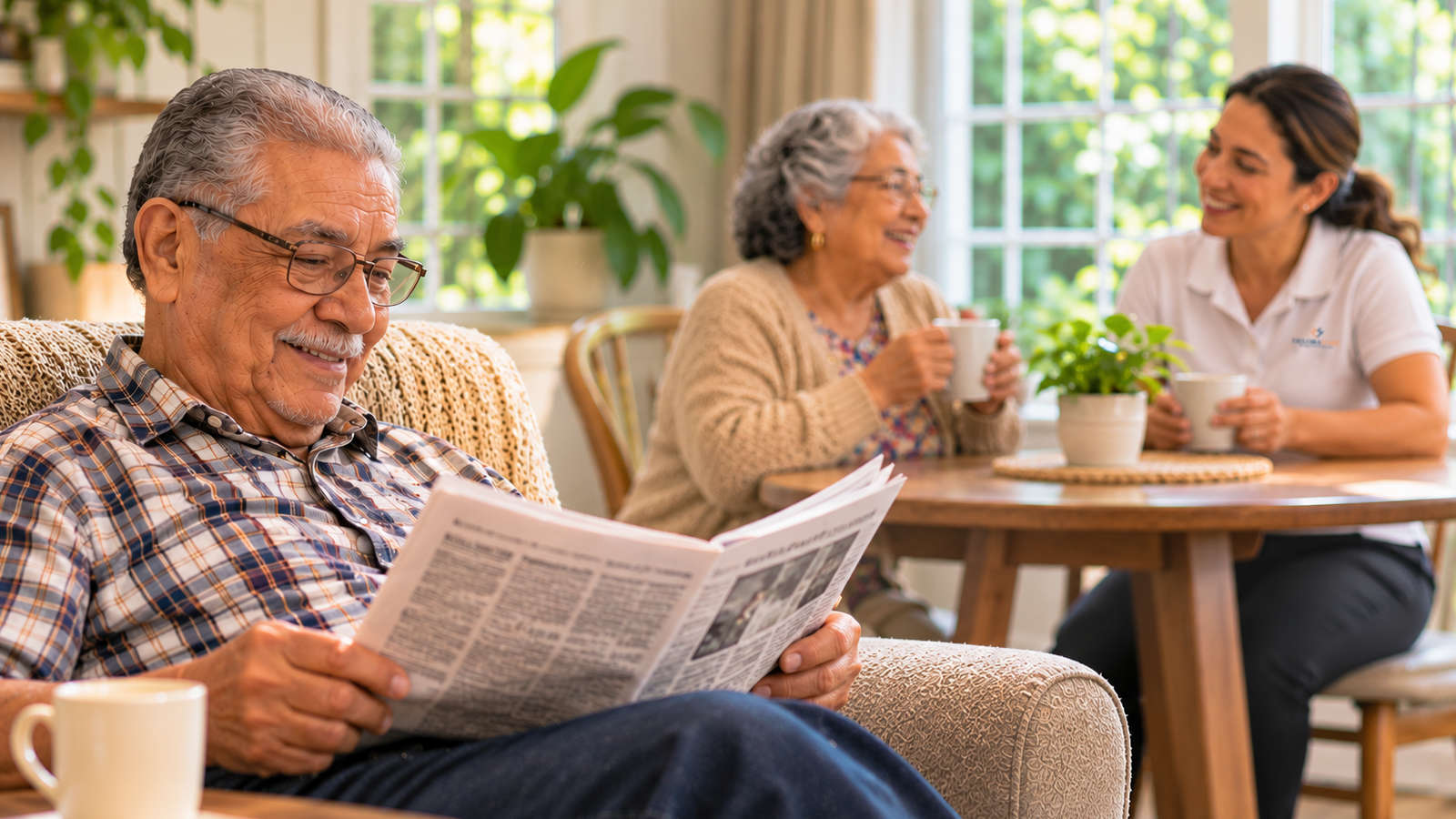
One Home, Two Personalities, One Care Plan
Just because your parents live together doesn’t mean they have to do everything together.
Maybe Mom’s an early bird who likes breakfast at seven, while Dad would happily sleep until nine. One loves chatting over coffee, and the other prefers a quiet morning with the newspaper.
Those little differences are part of who they are, and there’s no reason home care should change that.
A good care plan considers what each parent needs and how they prefer to spend their day.
For example, a caregiver might help Dad get ready in the morning, prepare lunch for both parents, and give Mom a hand with the laundry later.
The idea is to make life easier without turning their familiar routines upside down.
Our article about how personalized home care plans improve quality of life explains how support can be tailored to each person’s needs.
Make Home a Little Easier to Navigate
Your parents’ home is full of memories, favourite furniture, and probably a few things they’ve been meaning to fix for years.
When everyday tasks start getting harder, small adjustments can make a big difference.
Better lighting, clear walkways, sturdy handrails, and keeping frequently used items within reach can help make moving around the house more comfortable.
It can also help to simplify daily routines. Maybe that means preparing meals ahead of time or having someone take care of laundry and light housekeeping.
A caregiver can help keep things running smoothly while your parents focus on the parts of their day they enjoy.
And when it comes to familiar habits, consistency matters. We talk more about that in our article on the role of routine in quality home care.
Let Mom and Dad Have a Say
Nobody likes feeling as though decisions are being made for them, especially in their own home.
Your parents have spent a lifetime making choices together. Getting a little older doesn’t mean they suddenly want someone else calling all the shots.
Talk with each of them about what kind of help they’d welcome.
Maybe Dad would love someone else to handle the vacuuming but wants to keep making his famous Sunday breakfast. Perhaps Mom would appreciate help getting ready in the morning but still enjoys folding the laundry.
These things might seem small, but they matter.
When arranging care for elderly couples, the goal is to support their independence, not take it away.
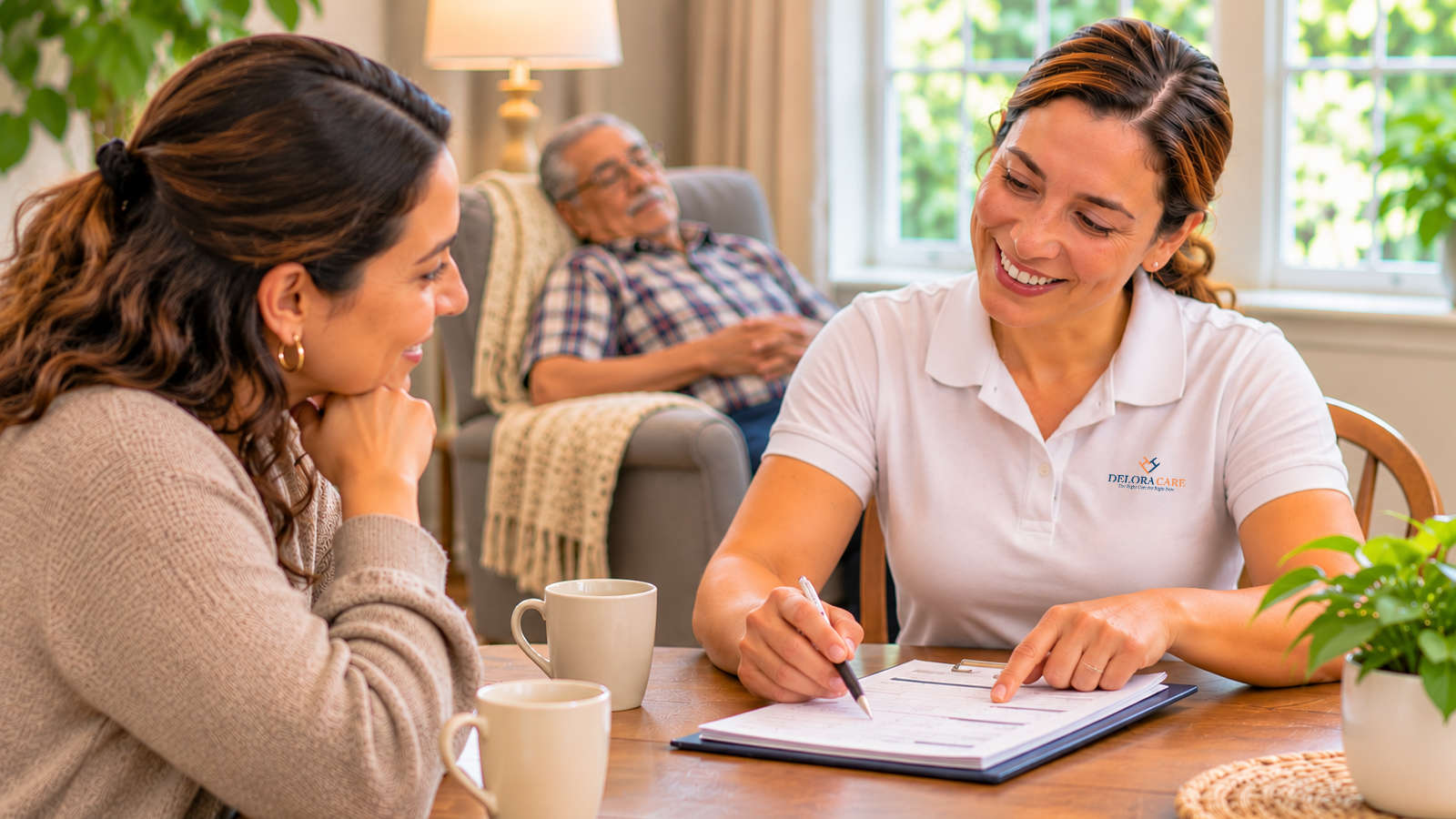
It’s Okay If Their Needs Change
What works today might look a little different six months from now. That’s perfectly normal.
Maybe a few hours of help each week are enough for now. Later, your parents might appreciate more regular visits or additional assistance with personal care.
The important thing is having support that can change along with their needs.
Non-medical home care can help with everyday tasks, companionship, personal care, and household routines. It can also give family members a break when they need one.
You don’t have to figure out the next five years all at once. Start with what would make life easier right now.
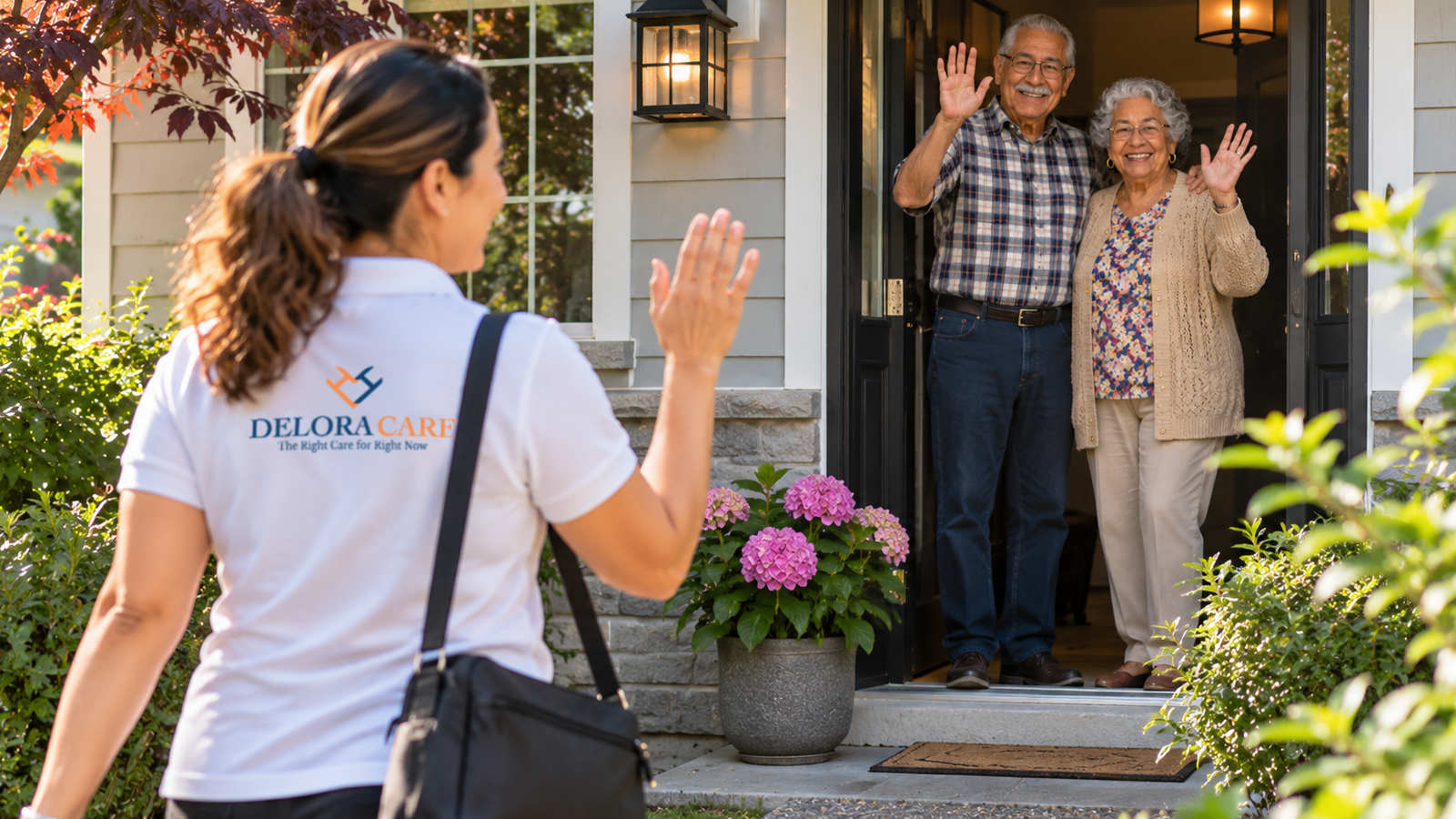
Helping Mom and Dad Keep Doing Life Together
After all these years, your parents have probably figured out how to put up with each other’s quirks. They have their routines, their favourite chairs, and maybe even a long-running disagreement about the thermostat.
That’s part of the life they’ve built together.
At Delora Care, we believe getting older shouldn’t mean giving up the familiar comforts that make a house feel like home.
Our caregivers provide personalized, non-medical home care that respects each person’s needs, preferences, and independence. Whether your parents could use a little help around the house or more regular daily assistance, we’re here to make things easier.
Looking for care for both elderly parents? Contact Delora Care to talk about how we can help Mom and Dad stay comfortable, supported, and together at home.